
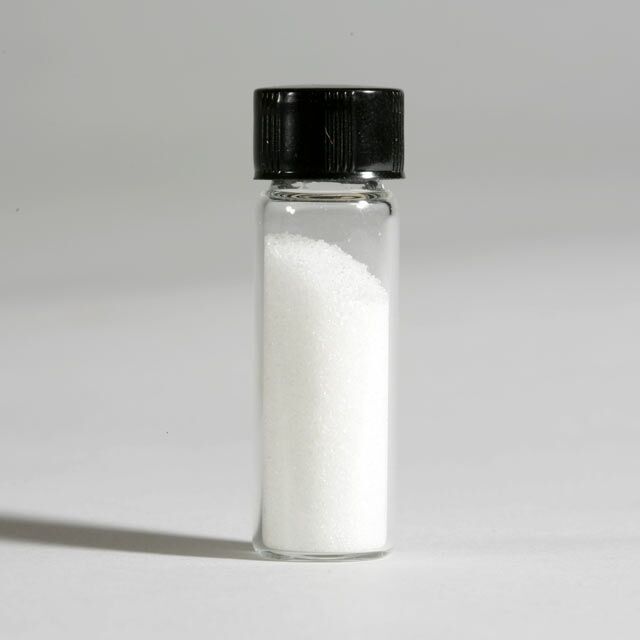
Phencyclidine PCP or Angel Dust in the USA
Phencyclidine, often referred to by its street names PCP or Angel Dust in the USA, was initially synthesized in the 1950s as a dissociative anesthetic. It is intended for use in veterinary medicine and, in some contexts, for human surgery. However, due to its profound psychoactive effects and potential for abuse, it has since been deemed a dangerous substance and classified as a hallucinogen. This classification underscores the importance of understanding its effects and risks to make informed health decisions.
Mechanism of Action
The primary mechanism through which Phencyclidine exerts its effects involves the modulation of the N-methyl-D-aspartate (NMDA) receptors in the USA, which are crucial for synaptic plasticity and memory function in the central nervous system. By binding to a specific site within the ion channel of these receptors, PCP disrupts normal neurotransmitter signaling, leading to significant alterations in perception, cognition, and sensory processing in the USA. This disruption results in the drug’s characteristic dissociative and hallucinogenic effects, as users may experience altered perceptions of reality, often described as feeling detached from their bodies or surroundings.
Legal Considerations and Health Risks
In the USA, the sale and possession of Phencyclidine is regulated under the Controlled Substances Act, making it illegal to purchase or distribute without a prescription. Engaging with unregulated online sources for PCP poses substantial risks, including the potential for acquiring contaminated or misrepresented substances. The dangers of using PCP without medical oversight cannot be overstated, as the drug can lead to severe health consequences, cognitive impairment, and complications such as acute anxiety, paranoia, and, in extreme cases, overdose.
Forms and Methods of Use
PCP can be found in several forms, presenting varied risks and methods of administration in the USA. As a powder, it can be inhaled through the nose (snorted) or vaporized and smoked. Users may often combine it with cannabis or tobacco, a practice known as “dipping,” where the substance is applied to these materials to enhance the psychoactive experience. Additionally, PCP can be ingested in capsule or tablet form, with some users choosing to crush and snort the pills to achieve faster effects. In its liquid form, it has been consumed orally or injected, exposing users to different risks based on the method of use, ranging from respiratory issues to increased likelihood of addiction.
Reasons for Use
Despite its numerous risks, individuals may be drawn to Phencyclidine for its potent hallucinogenic effects in the USA, which can induce feelings of euphoria, enhanced sensory perception, and distorted realities. Some users report sensations of invulnerability or heightened self-esteem, leading them to engage in behavior that is both risky and dangerous. The dissociative effects may lead to what users describe as an “out-of-body” experience, contributing to the drug’s allure among some individuals seeking to escape reality.
However, the experiences with PCP also caalled Angel Dust can vary widely in the USA. Many users may encounter negative experiences known as “bad trips,” characterized by feelings of anxiety, confusion, and severe disorientation. High doses can trigger distressing physical reactions, such as nausea, vomiting, and significant psychological disturbances, emphasizing the unpredictability and danger of its use.
Conclusion
In summary, understanding Phencyclidine’s effects, risks, and legal status is crucial for fostering awareness around this substance in the USA. Education and open discussions are essential tools in preventing misuse and protecting individuals and communities. Ensuring access to reliable information can help mitigate the potential harms associated with Phencyclidine and promote safer decision-making regarding substance use.


