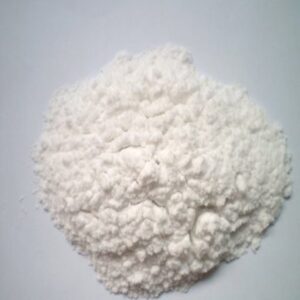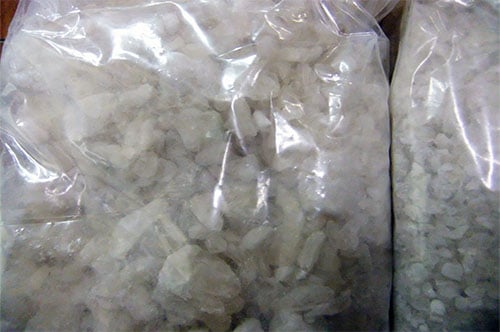
Understanding Mexedrone Crystals in the USA
Mexedrone Crystals, scientifically referred to as 3-methoxy-2, belong to the cathinone class of stimulant drugs prevalent in the USA. This substance is specifically identified as the alpha-methoxy derivative of Mephedrone, which has garnered interest due to its unique properties and effects.
From a chemical perspective, it shares structural similarities with Mephedrone; however, it is important to highlight that Mexedrone shows a lower capacity for releasing dopamine and noradrenaline. Research suggests it is about 10 to 20 times less effective at inhibiting the reuptake of these neurotransmitters and has a diminished ability to induce the release of serotonin. These distinctions significantly influence its pharmacological characteristics.
Users often report that the stimulating and euphoric experiences associated with Mexedrone primarily stem from its activity on serotonin pathways. Elevated serotonin levels may lead to feelings of well-being and mild euphoria. However, due to its limited effects on dopamine and noradrenaline, it can sometimes produce more sedative effects compared to traditional stimulants. This aspect aligns its effects more closely with substances like MDAI, recognized for similar sedative properties.
In the USA, Mexedrone Crystals are utilized for both recreational and experimental purposes, with user experiences varying widely. This variability underscores the unique profile of this reserach chemical when compared to conventional stimulants in the USA. It is essential for individuals considering the purchase of Mexedrone in the USA to be mindful of the legal and health-related implications tied to its use.
Chemical Characteristics of Mexedrone in the USA
Mexedrone, known scientifically as 4-MMC-MeO, is categorized as a research chemical that primarily acts as a stimulant and entactogen in the USA. As a member of the cathinone class, it is recognized for its psychoactive effects. It boasts a potency roughly one-tenth that of its more famous counterpart, Mephedrone, providing a less intense alternative for those seeking similar experiences.
Structurally, Mexedrone is a synthetic derivative within the cathinone family, sharing significant structural similarities with amphetamines. Its molecular configuration consists of a phenethylamine backbone, characterized by a phenyl ring attached to an amino group through an ethyl chain. Additionally, an extra methyl group is present at the Rα position, contributing to its pharmacological properties.
Both amphetamines and cathinones, including Mexedrone, are classified as alpha-methylated phenethylamines, meaning they possess a methyl group at the alpha carbon, which is crucial for their stimulant effects. Furthermore, cathinones are distinguished by an additional ketone functional group at the R1 position, further differentiating them from traditional amphetamines.
In conclusion, Mexedrone Crystals (4-MMC-MeO) represent a complex synthetic molecule with a distinctive chemical structure and specific stimulatory effects, making it a relevant topic of interest in the study of psychoactive substances within the USA.