
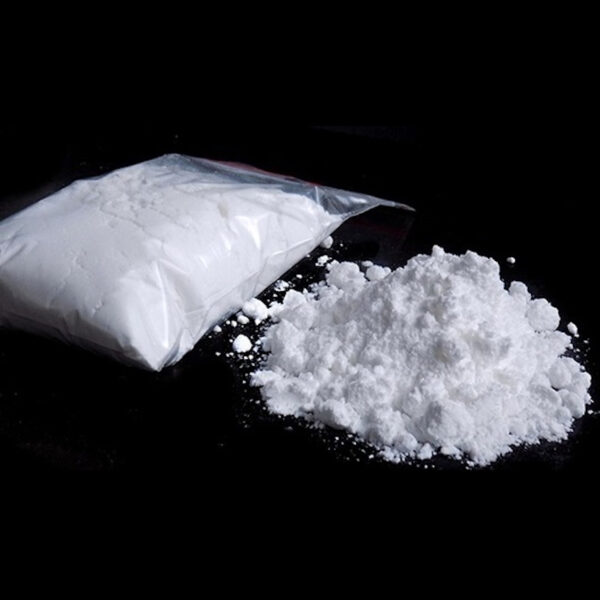
What is Fentanyl Powder in the USA
Fentanyl powder, also spelled fentanyl, is an opioid used as a pain medication and in combination with other medicines for anesthesia in the USA. It has a rapid onset, and its effects generally last less than two hours. Medically, fentanyl is used by injection, as a patch on the skin, as a nasal spray, or orally. Fentanyl powder is a potent synthetic opioid analgesic similar to morphine but 50 to 100 times more potent. It is a Schedule II prescription drug and is typically used to treat patients with severe pain or to manage pain after surgery. When prescribed by a physician, fentanyl is often administered via injection, transdermal patch, or tablets. However, the fentanyl and fentanyl analogs associated with recent overdoses are produced in clandestine laboratories. This non-pharmaceutical fentanyl is available in various forms. You can buy fentanyl powder from us at a discounted rate.
Fentanyl powder effects on the brain in the USA
Fentanyl powder, along with other opioid drugs such as heroin and morphine, works by attaching to the body’s opioid receptors in the USA. These receptors are located in parts of the brain that regulate pain and emotions. When these drugs attach to the receptors, they can raise dopamine levels in the brain’s reward areas, leading to feelings of euphoria and relaxation.
The effects of fentanyl are similar to those of heroin and include euphoria, drowsiness, nausea, confusion, constipation, sedation, tolerance, addiction, respiratory depression and arrest, unconsciousness, coma, and death.
How to treat addiction in USA
Medications like Buprenorphine and methadone work by binding to the same opioid receptors in the brain as fentanyl powder in the USA. They help reduce cravings and withdrawal symptoms. Naltrexone is another medicine that blocks opioid receptors and prevents fentanyl from having an effect. People can discuss treatment options with their healthcare providers.
Counseling and behavioral therapies can also help treat addiction to opioids like fentanyl. These therapies can assist people in modifying their attitudes and behaviors related to drug use, increasing healthy life skills, and sticking with their medication. Some examples of these therapies include:
– Cognitive-behavioral therapy, which helps modify the patient’s drug use expectations and behaviors and effectively manages triggers and stress.
– Contingency management uses a voucher-based system that gives patients “points” based on negative drug tests. Patients can use the points to earn items that encourage healthy living.
– Motivational interviewing is a patient-centered counseling style that addresses a patient’s feelings about change.


