Dispelling Common Misconceptions About Buspar (buspirone) in the USA
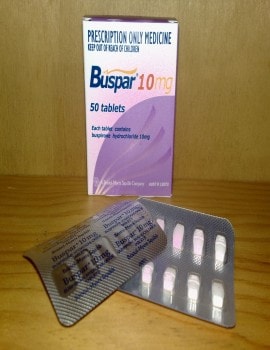
Buspar, scientifically recognized as buspirone, is a notable medication within the broad spectrum of antianxiety treatments available in the USA. What truly differentiates Buspar from traditional anxiety medications is its unique mechanism of action and superior safety profile. Unlike many widely-used anxiolytics, particularly the benzodiazepine class, Buspar does not carry a high risk of dependency nor does it induce significant sedation. Its mechanism involves the modulation of serotonin levels in the brain, resulting in a more gradual and gentle alleviation of anxiety symptoms. This contrasts starkly with the often abrupt and sedative effects associated with other medications in the field. Due to this characteristic, Buspar emerges as an appealing option for individuals pursuing a long-term strategy for managing anxiety while minimizing the risks of developing dependency or excessive drowsiness.
Furthermore, Buspar’s method of treating anxiety is enhanced by its minimal interaction with other central nervous system depressants. This property makes it a safer alternative for a wider range of patients, particularly those who may face increased risks when using traditional sedatives due to their side effects or potential for misuse. Many users also appreciate that Buspar does not interfere with cognitive functioning, which is a critical concern for individuals who need to remain sharp and productive in their everyday lives. As a result, it is often regarded as a top choice for those aiming to manage anxiety effectively while preserving mental clarity and engagement.
The Myth of Instant Relief: Recognizing Buspar’s Gradual Therapeutic Onset in the USA
An enduring misconception regarding Buspar is the expectation of immediate relief from anxiety symptoms. This misguided belief can often lead to considerable disappointment for patients in the USA who are seeking rapid results. In reality, Buspar is not designed for quick alleviation of anxiety; its therapeutic effects are typically observed only after a sustained period of use. This gradual onset occurs because the medication works over time to restore a balance among various neurotransmitters in the brain, a process that necessarily requires time to foster noticeable improvements in anxiety levels.
Clinical studies consistently highlight this gradual onset, revealing that users may not experience the full benefits of Buspar for a period ranging from two to four weeks—or occasionally longer, depending on individual responses. Understanding and accepting this timeline is crucial for patients; it underscores the necessity for patience and adherence to the prescribed treatment plan. Maintaining open and honest communication with healthcare providers is also essential for setting realistic expectations and adjusting treatment strategies as needed to achieve optimal outcomes.
Clarifying Addiction Myths: The Reality of Buspar (buspirone) and Dependence in the USA
Buspar (buspirone) is frequently at the center of various misconceptions about its potential for addiction in the USA. Unlike traditional anxiolytics such as benzodiazepines, which are often associate with a higher risk of addiction due to their sedative effects, Buspar functions based on a fundamentally different mechanism. It primarily interacts with serotonin receptors in the brain, which significantly reduces the likelihood of misuse or abuse. Recognizing this critical distinction is vital for both patients and healthcare practitioners, changing the focus from unfounded fears of addiction to a more accurate emphasis on the medication’s safety and effectiveness.
Research supports this narrative, indicating that Buspar does not typically produce withdrawal symptoms linked to other anxiety medications, thus strengthening its favorable risk profile concerning dependency. Additionally, the drug’s non-sedative characteristics further diminish the potential for misuse, making it particularly attractive for individuals seeking a long-term solution for anxiety management without the constant worry of physical dependence. By promoting accurate and thorough information on the pharmacological nature of Buspar, we can help to dispel prevalent fears surrounding addiction, empowering patients to make informed choices about their treatment options free from unnecessary concerns.
Addressing Myths Relating to Buspar (buspirone) and Sexual Dysfunction in the USA
Another prevalent myth surrounding Buspar relates to its association with sexual dysfunction—a side effect commonly seen with many psychotropic medications, especially selective serotonin reuptake inhibitors (SSRIs) in the USA. However, prevailing research presents a different perspective. Evidence indicates that Buspar operates uniquely within the psychopharmacological landscape and generally does not interfere with sexual desire or performance. In fact, some studies suggest that, unlike many antidepressants that frequently cause sexual side effects, Buspar might even have a less negative impact on sexual function and, in some instances, could potentially enhance sexual performance.
The notion that all anxiety medications result in sexual dysfunction does not hold true for Buspar, distinguishing it as a standout alternative in the management of anxiety disorders. This ability to maintain sexual health while effectively addressing anxiety symptoms further solidifies Buspar’s reputation as a valuable option for individuals seeking a balanced and comprehensive treatment approach.